 Add text to get the translation that 22 AI models agree on


The Translator Hub
Practical insights for freelance translators and the businesses that work with them. Browse by category or start with what is most relevant to your work.

CATEGORY / Translation services
What AI translation costs: The decision behind Tomedes' $0.01/word rate
Most translation companies are adding AI options without saying clearly what buyers are getting. This post is about the reasoning behind Tomedes' decision to name the tracks explicitly, set a flat AI translation rate, and launch without assumptions built in — including the parts that aren't finished yet.
Read More 7 min read·20/07/2026
CATEGORY / Translation services
Localization vs. translation: The line most businesses don't see until launch
A client asks for a translation. The brief is straightforward: take this marketing copy, this app interface, this website, and render it in another language. The project ships on schedule. Then, weeks later, a request comes in for a quality review — because something about the finished product does not feel quite right to the local market it was meant to reach. This pattern shows up often enough in Tomedes' own project data that it is no longer a one-off surprise. This piece uses that data to explain what localization actually requires, why so much of it gets requested as plain translation, and what a properly scoped brief should include before a project starts — not after it ships.
Read More 7 min read·14/07/2026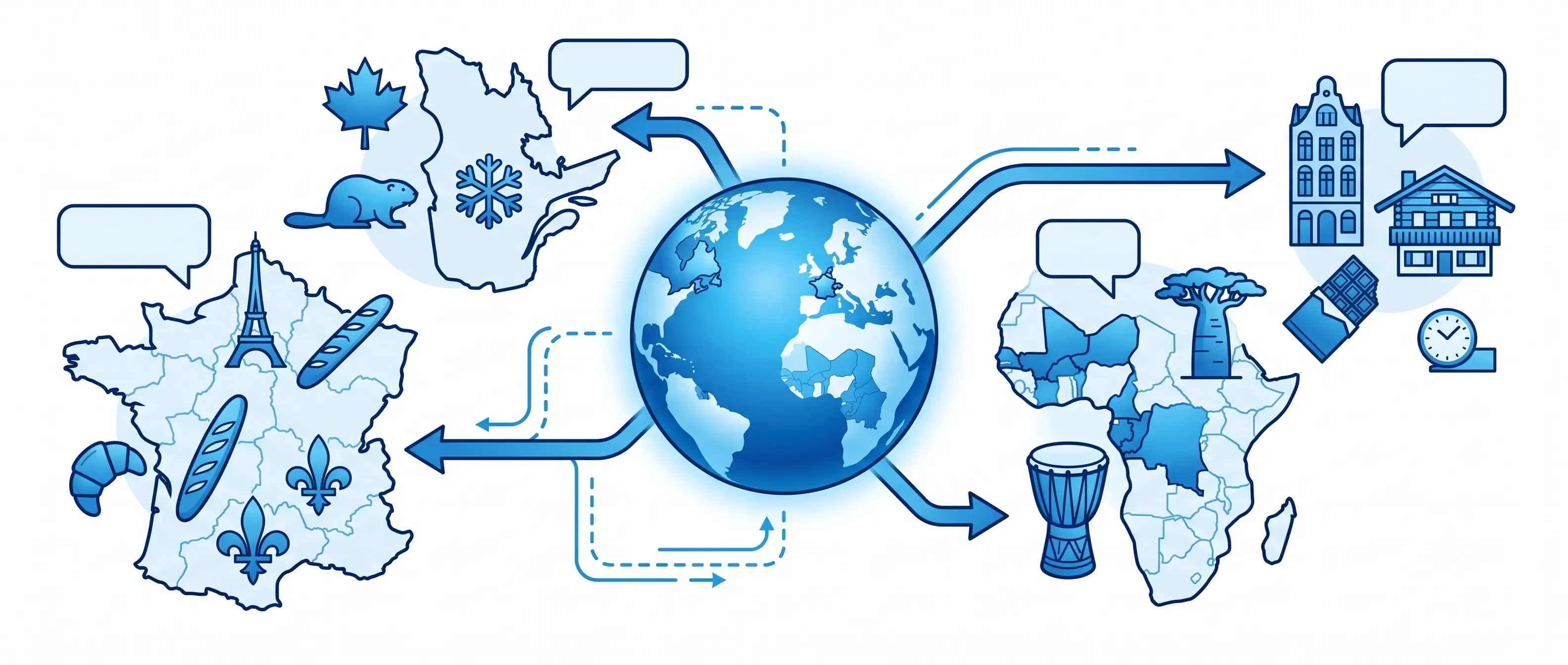
CATEGORY / Translation services
French translation varieties: A practical guide by region
French translation varieties differ by region. A practical guide to what changes between Standard, Canadian, and African French, and why it matters.
Read More 7 min read·10/07/2026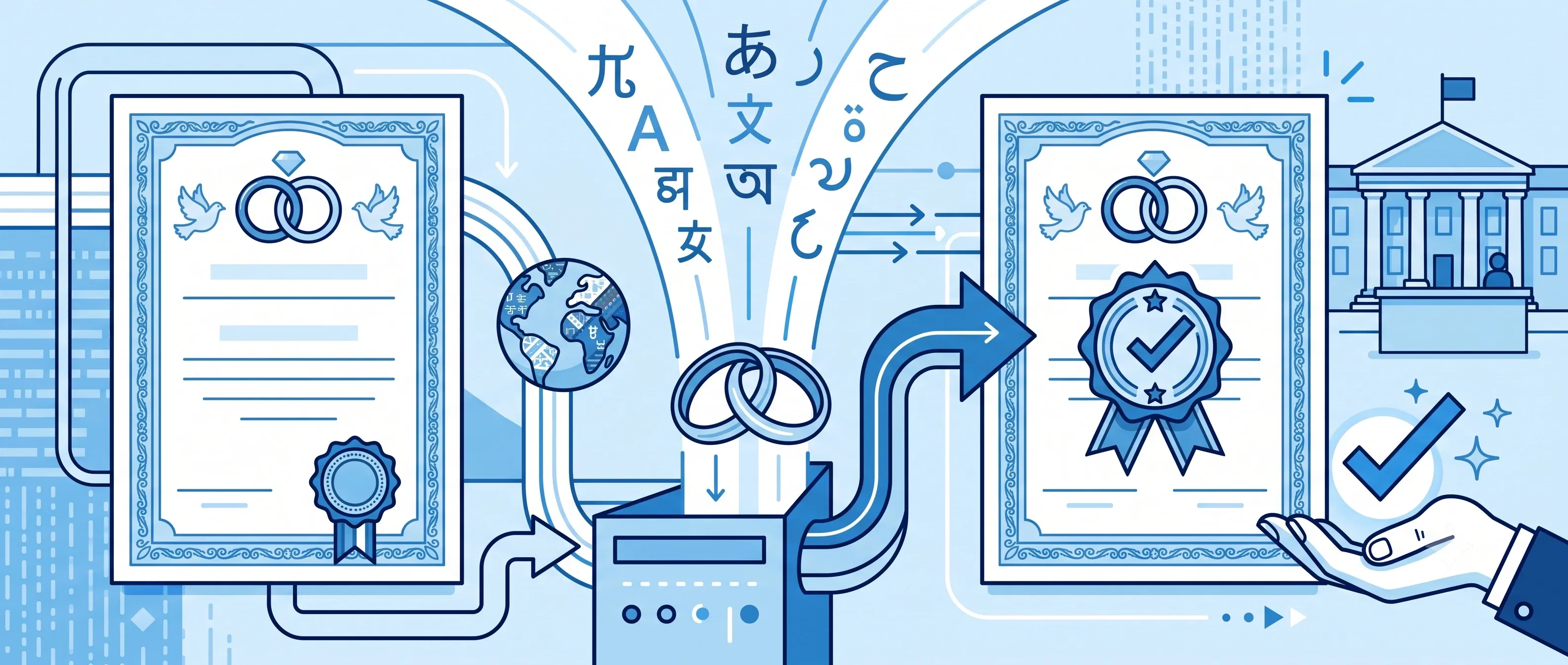
CATEGORY / Translation services
Marriage certificate translation services: Get a certified translation accepted first time
USCIS requires a certified translation for every foreign-language marriage certificate submitted with an immigration petition. Most rejections happen not because the translation was wrong, but because it was not certified. This guide explains what that means and how to avoid it.
Read More 9 min read·26/06/2026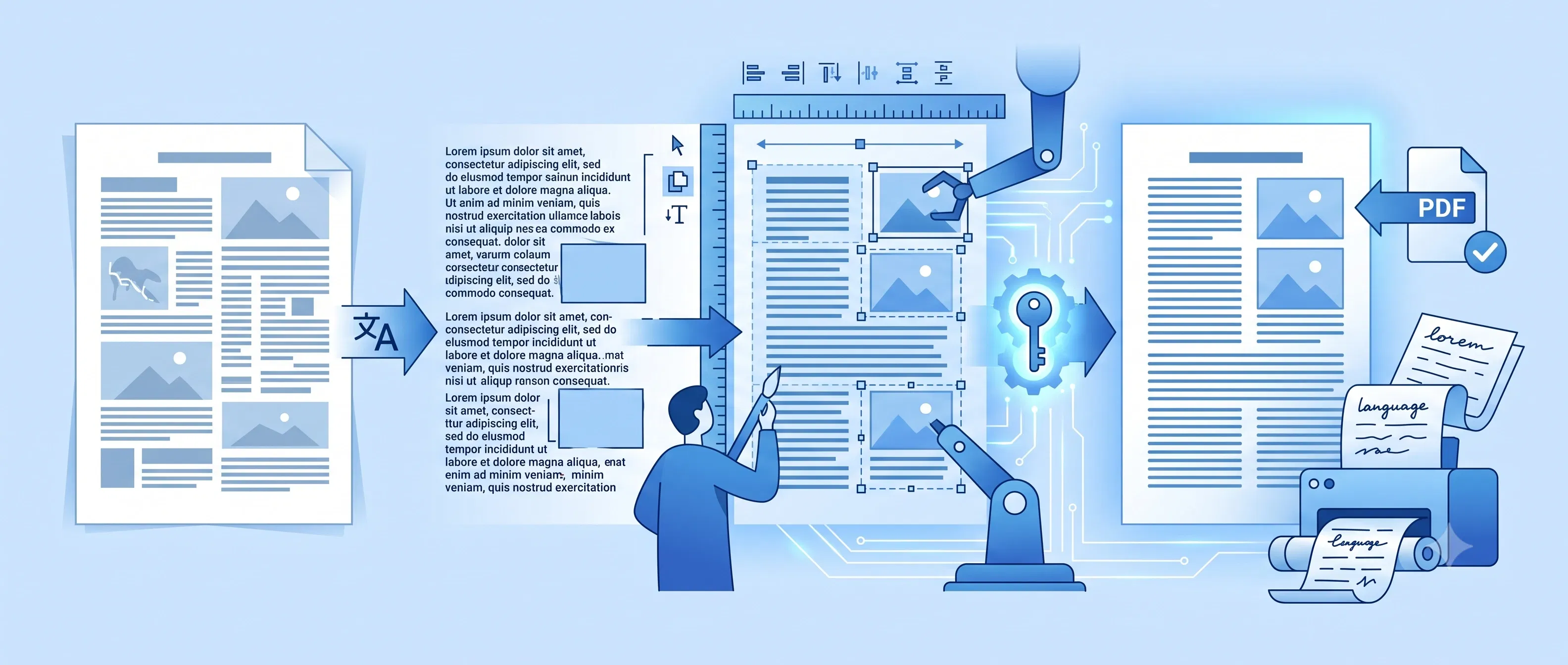
CATEGORY / Translation services
What is DTP in translation? The hidden step that makes multilingual documents print-ready
Most clients who need DTP translation services encounter it for the first time on a quote, after they have already submitted a file. This article explains what DTP is, why translated documents require it, and what happens to a document that skips this step.
Read More 13 min read·26/06/2026
CATEGORY / Translation services
How Tomedes AI translation works: Speed, quality, and the human layer explained
Tomedes AI translation is not a standalone machine translation engine. It is a managed professional workflow that pairs AI speed with human expertise, built for organizations that need both scale and quality accountability in the same service.
Read More 10 min read·19/06/2026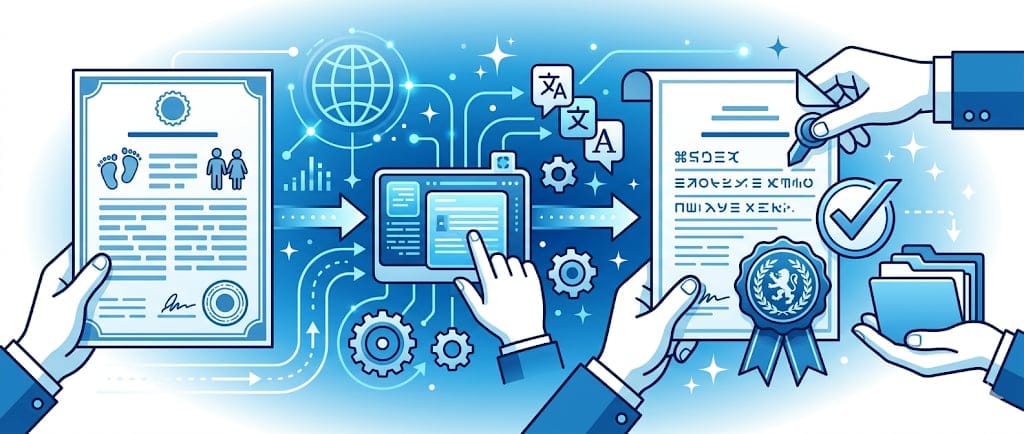
CATEGORY / Translation services
Birth certificate translation services: Get a certified translation accepted first time
A rejected birth certificate translation can cost you a visa cycle, an adoption deadline, or a court filing window. This guide covers exactly what type of translation is required for immigration, legal proceedings, and official submissions — and how to order one that gets accepted the first time.
Read More 12 min read·19/06/2026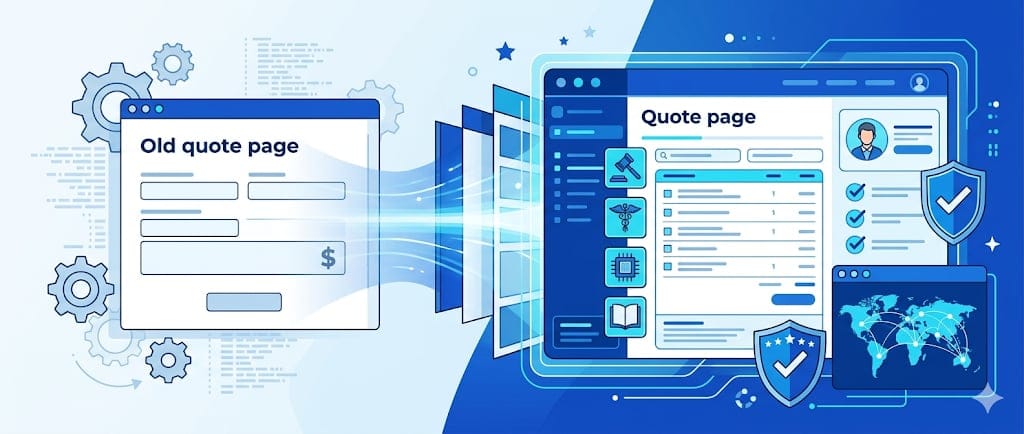
CATEGORY / Translation services
We rewrote our quote page, because "professional translation" needed to mean something again
I made a call this week to rewrite the Tomedes quote page. Not a copy refresh, a structural change to how we describe what we sell and to whom. Here is why.
Read More 7 min read·19/06/2026
CATEGORY / Translation services
Notarized translation services: What they are and when you need one
Every year, people submit translated documents to government agencies, courts, and institutions — only to have them rejected. Not because the translation was inaccurate. Because the wrong type of translation was submitted. This guide explains the difference between certified and notarized translation, when each is required, and how to order the right one the first time.
Read More 11 min read·19/06/2026
CATEGORY / Translation news
Is AI translation accurate enough for business? The 2026 guide
AI translation in 2026 reaches approximately 96% accuracy across 133 languages. That number sounds reassuring until you do the arithmetic: on a 10,000-word document, 96% accuracy means roughly 400 words are potentially wrong. You cannot tell which 400 words without reading the whole document, and if you are reading the whole document anyway, you are already doing human review. The accuracy question is not whether AI translation is good. It is whether it is good enough for your specific document, your specific language pair, and the specific consequences of the errors it does produce. This guide answers that question by document type, with real data from peer-reviewed research and industry benchmarks.
Read More 18 min read·04/06/2026