 Add text to get the translation that 22 AI models agree on


Rare and Indigenous Language Translation: What to Expect on Timelines, Costs, and Quality
Rare and indigenous language translation is among the most specialized work in the language services industry. The translator pool is small, machine translation tools offer little to no reliable support, and the linguistic structures of many indigenous languages have no equivalent in the major world languages buyers typically work with. When an ISO-certified agency sends a procurement inquiry for four North American indigenous languages on the same day, it is not a hypothetical scenario. It is a signal that demand for this work is real, growing, and consistently underserved by mainstream language service providers.
This guide covers what makes rare and indigenous language translation genuinely different, what buyers should expect on timelines and rates, and what to verify when selecting a provider.
What makes rare and indigenous language translation different from mainstream language work?
The professional translation market is built around a core of high-resource language pairs. Spanish, French, German, Mandarin, Arabic, Japanese — these languages have large translator communities, decades of translation memory accumulated across thousands of agencies, robust machine translation support, and standardized orthographies and style guides. Everything in the standard translation production workflow assumes these conditions exist.
For rare and indigenous languages, most of those conditions are absent. Four factors distinguish this work from mainstream translation more than any others.
The translator pool is extremely small and often not full-time. According to Wintranslation's indigenous language translation overview, indigenous translators are for the most part not full-time translators. They are first and foremost masters of the language, and often teachers, community leaders, or elders. This means that their availability is irregular, their lead times are longer, and their workflow does not match the production cycles that commercial agencies typically operate on. A provider that claims same-day turnaround for a rare indigenous language should be treated with skepticism.
Machine translation offers little to no reliable support. For the world's major languages, machine translation has reached a level where it serves as a useful productivity tool even if it still requires human post-editing. For most indigenous languages, this infrastructure simply does not exist. According to Brookings, Meta's No Language Left Behind model supports 200 languages but can struggle to capture the intricacies of local context for low-resource languages, often relying on machine-translated sentence pairs across the internet due to the scarcity of digitized monolingual data. For many North American indigenous languages, even this limited digital footprint is absent. There is no MT engine a production translator can lean on.
Linguistic structures are often unlike the source language. Many indigenous languages use grammatical systems that have no structural equivalent in English or other European languages. Polysynthetic morphology, where a single word can encode what English expresses in an entire sentence, is common across North American indigenous languages. Ergative-absolutive case systems, verb-centric sentence structures, and evidentiality markers (which grammatically encode whether the speaker witnessed something directly or heard about it secondhand) all require translators who understand both linguistic systems deeply, not just bilinguals with casual fluency.
Orthographic standardization is often incomplete or contested. Many indigenous languages were primarily oral for most of their history. Written forms were developed, in many cases, by linguists and missionaries rather than by communities themselves, and multiple competing orthographies may exist for the same language. Community preference for one spelling system over another is not a trivial question, it carries political and cultural weight. A translation produced in the "wrong" orthography for a given community may be rejected by the intended audience even if it is linguistically accurate.
Why does the translator pool matter so much for rare and indigenous languages?
The translator pool for a given language determines almost everything about how a project can be executed: how long it takes, how much it costs, what quality assurance is possible, and what the realistic limits of the work are.
For a language like Spanish, the pool of professional translators is enormous. If one translator is unavailable, another with equivalent qualifications can be assigned without delaying the project. Quality assurance via independent review by a second translator is standard. Specialized domain expertise (legal, medical, technical) can be matched to the project's requirements.
For a rare or indigenous language, this flexibility disappears. Consider the four languages in a recent Tomedes procurement inquiry.
Choctaw is a Muskogean language spoken by the Choctaw Nation of Oklahoma, the Mississippi Band of Choctaw Indians, and smaller communities in several states. According to the Choctaw Nation of Oklahoma's own translation request page, translation requests are limited to short phrases or words, with five business days minimum for completion and longer timelines depending on workload and availability. This is the language's own tribal government acknowledging the constraint that applies to professional translation work as well.
Dakota is a Siouan language spoken primarily in the Dakotas and Minnesota. According to Carleton College's language resources, there are approximately 300 fluent speakers of Dakota, classified as "Definitely Endangered" by the UNESCO Atlas of the World's Languages in Danger. With a fluent speaker population of that size, and the majority of those speakers elderly, the number of individuals who are also qualified professional translators with experience in document translation is a small fraction of an already small total.
Keres (Eastern) is a language isolate spoken by Pueblo peoples across five eastern New Mexico pueblos — Cochiti, San Felipe, Santa Ana, Kewa (Santo Domingo), and Zia. It has no known relationship to any other language in the world. According to the Endangered Languages Project's Rio Grande Keresan data, Eastern Keresan had approximately 4,580 speakers as of the 1990 census, with more recent American Community Survey data suggesting approximately 12,540 self-reported speakers across both Eastern and Western dialects combined. A significant complication: according to Atomic Scribe, Keresan has historically been treated as a sacred oral language, with debate within communities about whether it should be written at all. Translation work in Keres requires not just linguistic competence but explicit community consent and cultural sensitivity that goes beyond standard translation protocols.
Tohono O'odham is a Uto-Aztecan language spoken in southern Arizona and northern Sonora, Mexico. According to the O'odham language page at Translation Services USA, there are over 12,000 speakers in the United States, with the Tohono O'odham Nation teaching the language in its schools and at the University of Arizona. The language has a more developed written tradition and institutional support structure than Keres or Dakota, but the professional translator community remains limited.
In each case, the practical implication for a buyer is the same: the translator cannot be replaced mid-project if availability changes, independent review by a second qualified translator may not be possible, and delivery schedules must be built around the translator's availability rather than the agency's production calendar.
What does "oral-dominant language" mean for translation projects?
Many indigenous languages were transmitted exclusively or primarily through speech for most of their history. The implications for translation work are more significant than they might initially appear.
First, the written form of the language may be relatively recent, and multiple competing conventions may exist. According to ArXiv research on challenges of language technologies for indigenous languages of the Americas, many indigenous languages face a lack of orthographic normalization, which can be especially problematic when trying to process text documents. A translation produced for one community using one orthographic convention may not be accepted by a neighboring community that prefers a different system.
Second, the density of specialized vocabulary in written form may be low, precisely because the language developed in an oral context. Technical, legal, and medical concepts may not have established equivalents in the target language. The translator must either adapt existing vocabulary, construct a neologism consistent with the language's morphological rules, or use a descriptive paraphrase — and any of these decisions should ideally be made in consultation with community language authorities, not unilaterally by the translator.
Third, translation back into an oral-dominant language may carry cultural weight that the source text does not. Written documents in many indigenous languages exist in a context of language revitalization — the act of producing a document in the language is itself a cultural and political act, not just a technical one. Buyers working in healthcare, legal services, education, or government who need to communicate with indigenous-language communities should understand that their translation request may be evaluated by the receiving community not just for accuracy but for cultural appropriateness and community consultation.
How do translation memories and CAT tools perform on indigenous languages?
For high-resource language pairs, translation memories (TMs) and computer-assisted translation (CAT) tools deliver significant efficiency gains. A technical manual with 40% TM match rate translates more quickly and more consistently than a first translation from scratch. The economics of TM leverage are built into most standard translation pricing models.
For rare and indigenous languages, this infrastructure is largely absent. Several factors explain why.
No accumulated TM. Translation memories accumulate from prior projects. For a language in which professional translation volume has historically been very low, there is little or no prior work to draw on. Every project is effectively a first translation, without the consistency benefits of a TM.
No parallel corpus for MT training. Machine translation requires large quantities of aligned bilingual text to train on. According to ArXiv research on challenges of language technologies for indigenous languages of the Americas, the most common sources for large amounts of parallel data (parliamentary proceedings, religious texts, and software manuals) are not available in most indigenous languages at the scale required for training reliable MT models. The Bible has been translated into a significant number of indigenous languages and is often the largest single parallel corpus available, but even this is insufficient to produce reliable MT output for most professional content types.
Polysynthetic morphology defeats standard segmentation. CAT tools segment text into sentence or phrase-level units for a translator to work on. In polysynthetic languages, where a single word may encode the equivalent of an English sentence, standard segmentation does not function as intended. The productivity assumptions that CAT tool pricing is based on do not transfer to these languages.
The practical implication for buyers is that rare and indigenous language translation cannot be priced or scoped using the same framework as high-resource language pairs. There is no TM leverage to pass through as a cost reduction, no MT draft to post-edit for speed, and no standard CAT tool workflow to plug the project into.
What content types require indigenous language translation most frequently?
Professional demand for indigenous language translation clusters around several recurring content types, each with its own quality and compliance requirements.
Legal and government documents. Court proceedings, tribal government communications, voting materials, land use agreements, and treaty-related documents are among the most common procurement drivers. Several US federal statutes require language access for indigenous language speakers in government programs. The Indian Civil Rights Act, the Voting Rights Act provisions covering language minority groups, and federal healthcare regulations all create legal obligations for translation in specific contexts.
Healthcare and public health materials. Patient consent forms, discharge instructions, public health campaign materials, and mental health resources are high-need areas, particularly for tribes whose members may have limited English proficiency in healthcare contexts. The stakes of healthcare translation errors are equivalent to those in any other medical translation context, with the added complication that no MT backstop exists and the translator pool is smaller.
Education materials. Bilingual education programs, school enrollment materials, and language revitalization curriculum are all active areas of demand. Several states with significant indigenous language-speaking populations (New Mexico, South Dakota, Arizona, Oklahoma, and Minnesota among them) have bilingual education mandates or active tribal school systems where translation is a recurring operational need.
NGO and social services content. Organizations working in indigenous communities on housing, food security, social welfare, and community development regularly need program materials, consent forms, and outreach communications in indigenous languages.
Cultural preservation and documentation. Translation of oral history recordings, ceremonial texts (where community approval exists for their translation), and historical documents into and out of indigenous languages is a specialized field that intersects linguistics, anthropology, and professional translation. This is distinct from commercial translation and is usually governed by community protocols.
What should buyers expect on timelines for rare language projects?
Timelines for rare and indigenous language translation differ meaningfully from those for high-resource languages. Buyers who expect the same turnaround they get for a Spanish or French project will consistently be disappointed, and any provider that promises standard turnaround times without flagging these constraints is not being transparent.
Translator sourcing takes longer. For rare languages, identifying a qualified, available translator may itself require days or weeks, particularly if the translator pool is small and the language community is geographically dispersed. Tomedes invests in building and maintaining relationships with translators in rare language communities precisely because reactive sourcing at the time of a project inquiry is rarely sufficient.
Community consultation may be required. For some content types (particularly anything touching on sacred, ceremonial, or culturally sensitive material), the translator may need to consult with community language authorities before proceeding. This is not optional or bureaucratic. It is the appropriate practice for work that carries cultural weight, and buyers should build time for it into their project plan.
Review capacity is constrained. Standard translation quality assurance involves review by a second qualified translator. For some rare languages, the available reviewer pool is the same as the translator pool. An independent review may take additional time, and in some cases the translator and reviewer may need to be the same person working at different stages.
Realistic expectations by language tier:
| Language tier | Example languages | Typical sourcing time | Typical turnaround for 1,000 words |
|---|---|---|---|
| High-resource | Spanish, French, German | Immediate | 1–2 business days |
| Mid-resource | Swahili, Tagalog, Amharic | 1–3 days | 3–5 business days |
| Low-resource (some indigenous) | Choctaw, Tohono O'odham | 3–7 days | 1–2 weeks |
| Very low-resource (endangered) | Dakota, Keres Eastern | 1–3 weeks | 3–6 weeks |
What should buyers expect on rates?
Rates for rare and indigenous language translation are substantially higher than for high-resource language pairs, and for reasons that are structurally sound rather than arbitrary.
The per-word rate premium reflects several compounding factors. The translator pool is small, meaning translators who hold this expertise can and should command higher rates. There is no TM leverage or MT productivity to offset the cost as there would be for a major language pair. Every word requires full human cognitive effort from scratch. And the project management overhead is higher because sourcing, community consultation, and constrained review capacity all require more time from the agency's project team.
Standard per-word rates for rare and endangered indigenous languages range considerably higher than for common language pairs. Where a high-resource language translation might cost $0.10–0.20 per word for human translation, rare indigenous language work may run $0.30–0.80 per word or higher depending on the specific language, the content type, and the qualifications required of the translator.
Beyond per-word rates, buyers should also account for: minimum project fees (given the fixed overhead of sourcing and project setup, very short documents may carry a minimum fee regardless of word count); research and terminology fees (for content types requiring terminology development before translation can begin); and community consultation fees where applicable.
The honest framing for buyers is this: rare and indigenous language translation costs more because it is harder and the resource pool is smaller. Providers who offer unusually low rates for these languages without explanation should prompt questions about how they are actually sourcing the work.
What should buyers verify when selecting an indigenous language translation provider?
The questions a procurement lead should ask when sourcing rare or indigenous language translation are meaningfully different from the questions for a standard language pair project.
Can the provider identify the specific translator or community from which the translator will be sourced? A provider with genuine capacity in a rare language can usually point to a specific community relationship or a specific named translator (within appropriate confidentiality limits). A provider without this capacity will often give a vague answer about their "global network" — which, for a language with 300 fluent speakers, does not provide meaningful assurance.
Does the provider distinguish between the target language's varieties and dialects? Choctaw has three recognized dialects with differences that matter for some content types. Keres Eastern and Keres Western are mutually intelligible but distinct. Dakota and Lakota are related but separate languages whose speakers do not always consider them interchangeable. A provider who treats these as interchangeable without asking is not demonstrating the specialized knowledge this work requires.
What is the provider's policy on orthographic variation? For languages with multiple competing written standards, the provider should be able to tell you which orthographic convention they use and why, and should ask you which community the translation is intended to serve.
Does the provider hold relevant ISO certifications? ISO 17100:2015 certification governs the professional translation workflow across all language pairs. It requires a qualified second reviewer for all translation work. For rare languages where independent review is constrained, a certified provider should be transparent about how they meet this requirement — not simply claim certification without addressing the structural challenge.
How does the provider handle community protocols? For content that may intersect with cultural or ceremonial material (even if unintentionally), the provider should have a process for flagging this and seeking community guidance. A provider without any such process is operating without awareness of the professional obligations that come with this work.
What is the provider's track record in this specific language or language family? References, documented prior projects (even without disclosing client identities), and evidence of a sustained relationship with translators in the relevant community are all legitimate things to request.
How does Tomedes approach rare and indigenous language translation?
Tomedes approaches rare and indigenous language translation as a specialist function within its broader 270+ language capability, rather than as an extension of its high-resource language production workflows.
The difference in approach is practical. For a standard project in French or German, Tomedes draws from a large pool of qualified translators and applies TM-leveraged production workflows under ISO 17100:2015 certification. For a rare or indigenous language project, the sourcing process begins with the specific language community, the timeline is set by translator availability rather than a production calendar, and quality assurance is adapted to what the realistic reviewer pool permits.
Every Tomedes project regardless of language pair is managed by a dedicated project manager and backed by the 1-Year Quality Guarantee. For rare and indigenous language work specifically, the project manager's role includes transparent communication with the buyer about what is and is not achievable within their timeline and budget — because setting accurate expectations at intake is more valuable than committing to a turnaround that the structural realities of the language cannot support.
Buyers with rare or indigenous language requirements are encouraged to share the full scope at intake, including the target community (not just the language name), the content type, and the intended use. This allows Tomedes to confirm availability, set an accurate timeline, and identify any community consultation requirements before the project begins.
For organizations with ongoing rare language needs (NGOs operating in indigenous communities, legal service providers, government agencies with statutory language access obligations, or educational institutions), Tomedes can work toward building a dedicated translator relationship for the specific language pair rather than sourcing from scratch on each project.
Contact Tomedes to discuss rare and indigenous language translation requirements. A dedicated project manager will respond within the hour.
FAQs
Q: Can machine translation be used for indigenous languages?
A: For most indigenous languages, reliable machine translation does not currently exist. According to Brookings, even the most advanced multilingual models struggle with low-resource languages due to the scarcity of digitized training data. For endangered North American indigenous languages specifically, the digital text corpus is typically too small to produce usable MT output. All rare and indigenous language translation should be treated as requiring full human translation from the outset, with no MT productivity offset.
Q: How long does indigenous language translation take?
A: Timelines vary significantly by language. For languages with a somewhat larger translator community (such as Navajo or Tohono O'odham, which benefit from tribal language programs and school instruction), turnaround for a standard document may be one to two weeks. For critically endangered languages with very few fluent speakers, such as Dakota, sourcing and completing a project may take three to six weeks or longer depending on translator availability and document complexity. Buyers should always confirm timelines with the provider before committing to a downstream deadline.
Q: Are there legal requirements to provide translation in indigenous languages?
A: Yes, in specific contexts. The Voting Rights Act requires bilingual election materials in jurisdictions where a language minority group meets certain thresholds. Federal healthcare regulations under Section 1557 of the Affordable Care Act require language access for individuals with limited English proficiency, which includes indigenous language speakers. Tribal government programs funded through federal agencies may have language access obligations under Title VI of the Civil Rights Act. Buyers in healthcare, legal services, education, and government should consult legal counsel about their specific obligations before assuming that English-only materials are sufficient for indigenous language-speaking populations they serve.
Q: What is the difference between Dakota and Lakota?
A: Dakota and Lakota are related but distinct languages within the Siouan language family, sometimes collectively referred to as the Sioux languages. According to the Rapid City Journal, linguists consider them mutually intelligible, though not identical. Ethnologue estimates there are approximately 18,000 Dakota speakers and around 6,000 Lakota speakers, though actual fluency numbers may be considerably lower than self-reported census figures. Translation into one does not constitute translation into the other, and buyers should specify which language and which community they are serving.
Q: Is Keres Eastern the same as Keres Western?
A: No. Eastern Keresan and Western Keresan are two branches of the Keresan language family spoken by Pueblo peoples in New Mexico. According to the San Juan College Research Guide on Keresan languages, both branches are classified as definitely endangered by UNESCO, with approximately 13,190 combined speakers recorded in 2013. The two branches are broadly mutually intelligible but differ in phonology and vocabulary. Eastern Keresan is spoken in the Rio Grande pueblos: Cochiti, San Felipe, Santa Ana, Kewa, and Zia. Western Keresan is spoken at Acoma and Laguna pueblos. A buyer who needs a document translated for the Cochiti Pueblo community needs Eastern Keresan — not Western Keresan and not a generic "Keresan" that fails to specify the branch.
Q: How do I know if a provider actually has capacity in a rare indigenous language?
A: The most reliable signal is specificity. A provider with genuine capacity can typically tell you which community their translator comes from, which orthographic convention they use, what prior work they have completed in the language, and what the realistic timeline and any community consultation requirements are. A provider who responds to a rare language inquiry with a generic availability confirmation and a fast turnaround quote, without addressing any of these factors, almost certainly does not have the capacity they are implying.
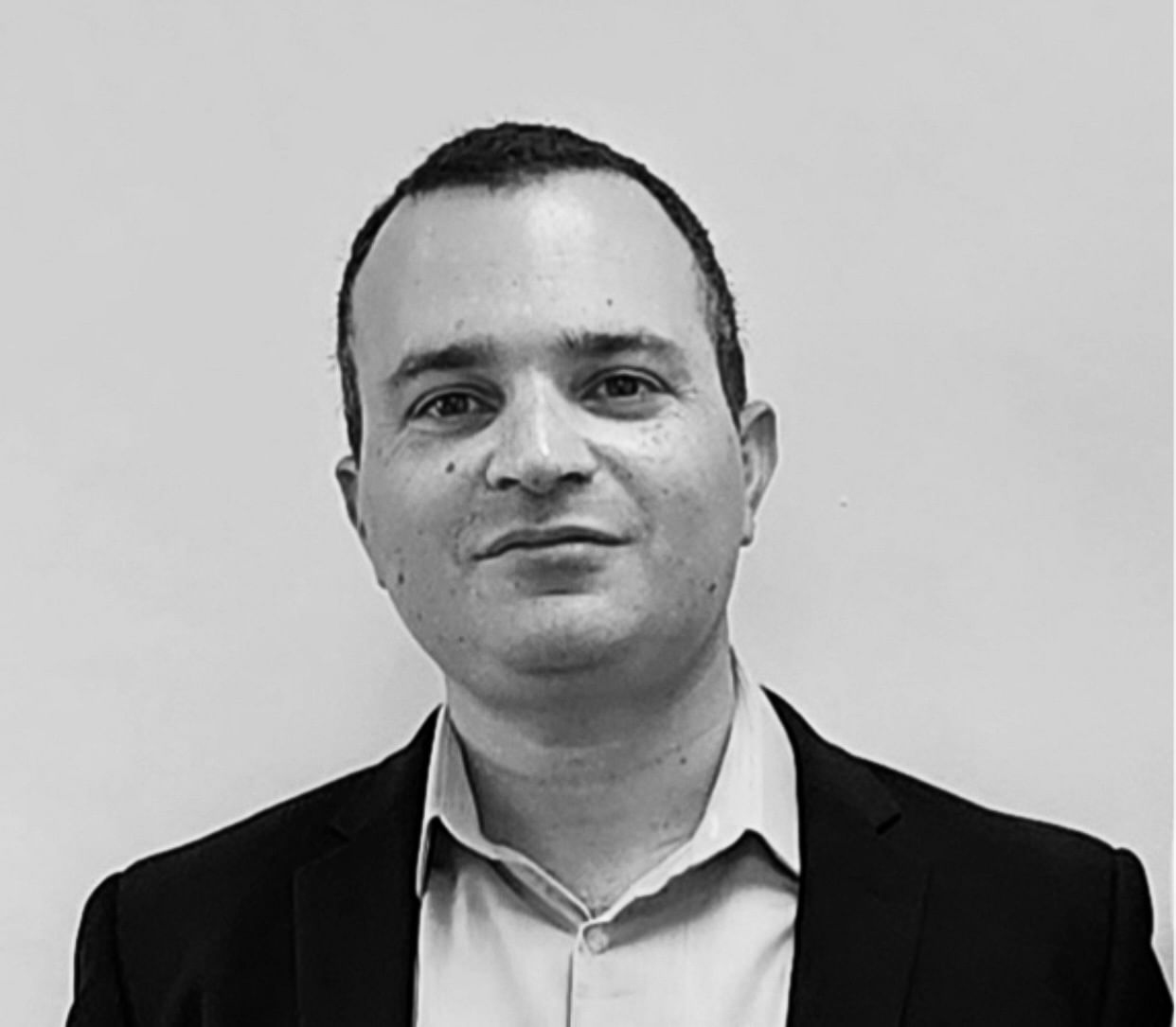
Written by Ofer Tirosh
Connect on LinkedInOfer founded Tomedes in 2007 and now leads the company's push to combine two decades of human translation expertise with AI. He writes about where the language industry is actually heading and the shifts nobody's ready for, the bets that paid off, and the ones that didn't.
Share:

Post your Comment