 Add text to get the translation that 22 AI models agree on


The languages of Nigeria: A complete guide
Nigeria is the most populous country in Africa and one of the most linguistically diverse countries in the world. With approximately 240 million people and 525 living languages, it packs more linguistic complexity into a single national boundary than most regions manage across entire continents. Only Papua New Guinea and Indonesia surpass it in the total number of languages spoken within a single country.
This scale has real implications. Nigeria is not simply multilingual — it contains multiple entirely distinct language families, regional lingua francas, a rapidly growing English-based creole that is now the most spoken language in Africa, and hundreds of minority languages with fewer than 10,000 speakers each, many of them endangered.
For anyone doing business, development work, translation, or cultural research in Nigeria or across West Africa, understanding the country's linguistic landscape is foundational.
In this guide:
- A brief history of Nigerian languages
- What is the official language of Nigeria?
- Language families in Nigeria
- The major languages of Nigeria
- Nigerian Pidgin: the most spoken language in Africa
- Regional language distribution
- What Nigeria's linguistic landscape means for translation
- The full language list
- Frequently asked questions
A brief history of Nigerian languages
As is so often the case with language, there is plenty of history and politics involved when you begin to look at the languages of Nigeria. Nigeria's official language is English — a direct consequence of British colonial rule, during which English became the language of administration, education, and formal economic life. Nigeria became independent in 1960, but English remained the official language and the medium of formal instruction in schools.
Research has shown that the majority of Nigeria's indigenous languages date back approximately 4,000 years, rooted in the three major African language families (Afroasiatic, Nilo-Saharan, and Niger-Congo) that spread across the continent during prehistoric population movements. Several languages spoken in Nigeria today are among the oldest documented tongues in sub-Saharan Africa.
Nigeria's history has also led to the evolution of Nigerian Pidgin, an English-based creole that emerged in the 17th and 18th centuries during British and African contact in the Atlantic slave trade. What began as a trade language has grown into the most widely spoken language in Africa by total speaker count, now numbering 121 million speakers.
What is the official language of Nigeria?

The official language of Nigeria is English. It is used in government, formal education, the judiciary, and the national media. Between 50–70% of Nigerians speak English to varying degrees of proficiency, though native English speakers are rare — the total number of native English speakers across the entire African continent is estimated at approximately seven million people.
English proficiency varies sharply by region and education level. In the northeast, for example, only around 1% of the population speaks English natively. In Lagos and other urban centres, English functions as a working and commercial language alongside Nigerian Pidgin and the major indigenous languages.
French was designated as a second official language of Nigeria in December 1996 by President Sani Abacha, reflecting Nigeria's geographic position (it is entirely surrounded by French-speaking countries (Benin, Niger, Chad, Cameroon)) and its ambition as the de facto regional leader of West Africa in international forums. Nigeria has approximately one million French speakers, almost all second-language speakers. French proficiency provides access to ECOWAS institutions, international scholarships, and regional commerce.
Nigerian Standard English is the formal variety of English used in Nigerian media, government, and professional contexts. It is distinct from British or American English in vocabulary, idiom, and some grammatical patterns, reflecting Nigeria's specific history and culture.
Language families in Nigeria
Nigeria's 525 languages fall into three major African language families: Afroasiatic, Nilo-Saharan, and Niger-Congo. The country is also home to several as-yet unclassified languages that may represent remnants of even older linguistic diversity before the spread of these major families.
Afroasiatic
The most spoken Afroasiatic language in Nigeria is Hausa, but the family also includes Margi, Bade, Mupun, Ngas, Bura, Kamwe, Bachama, and varieties of Arabic. Chadic languages (of which Hausa is the best known) predominate within this family in Nigeria. Research suggests the Afroasiatic languages of Nigeria date back approximately 4,000 years.
A notable 2025 development: Hausa replaced French as the official language of Niger (Nigeria's northern neighbour) reflecting Hausa's growing regional importance as a language of governance, not just commerce and culture.
Niger-Congo
The Niger-Congo family is the largest in Nigeria and includes most of the country's major indigenous languages. The family is subdivided into nine major branches within Nigeria, including the Kwa subgroup (southwestern corner), the Ijoid branch (Niger Delta), the Atlantic subgroup (including Fula), and the extensive Benue-Congo subgroup, which includes Tiv, Jukun, Edo, Igbo, Igala, Idoma, Nupe, Gwari, Yoruba, Efik, Ibibio, Anang, and Ekoi.
Nilo-Saharan
The Nilo-Saharan group is the least represented of the three major families in Nigeria. Kanuri is its most prominent Nigerian member, along with Bagirmi and Zerma (also spelled Zarma). These are tonal languages spoken primarily in the northeastern regions bordering Niger, Chad, and Cameroon.
The major languages of Nigeria
Speaker figures for Nigerian languages are notoriously difficult to verify — there has been no comprehensive national language census, and figures from different sources (Ethnologue, Statista, Wikipedia, World Population Review) reflect different counting methodologies and dates. The figures below note the source and scope (Nigeria-only or global where relevant).
Hausa — Ethnologue estimates 58 million native speakers and 36 million second-language speakers globally, for a total of approximately 94 million. Within Nigeria, Hausa is the most widely spoken indigenous language. It dominates the northern states and is the primary language of Nigeria's Muslim population. It functions as a regional lingua franca across the Sahel and is the most widely spoken language in the Chadic branch of Afroasiatic. In 2025, Hausa became the official language of neighbouring Niger, replacing French. For a deeper look at Hausa, see Tomedes' Hausa language guide.
Yoruba — Wikipedia/Languages of Nigeria gives over 47 million speakers including second-language speakers, with 41.9 million native speakers globally. Predominantly spoken in southwest Nigeria, Yoruba is also spoken in Benin and Togo, and by diaspora communities in Brazil, Cuba, and the United States — where it is used as a ritual language in traditions like Candomblé and Santería. Yoruba is the most internationally distributed of Nigeria's major indigenous languages. For more, see Tomedes' Yoruba language guide.
Igbo — Wikipedia/Languages of Nigeria gives over 33 million speakers including L2 speakers. Predominantly spoken in southeastern Nigeria, Igbo is also present in Cameroon and Equatorial Guinea through diaspora migration. Igbo words entered several English-based creole languages in the Americas, including words used in Caribbean and South American communities, reflecting the historical forced migration of Igbo speakers during the Atlantic slave trade.
Nigerian Pidgin — see the dedicated section below.
Fulfulde (Fula) — approximately 18 million speakers in Nigeria, with the broader Fula language spoken across the Sahel from Senegal to Sudan. Spoken mainly by the Fulani diaspora in northern Nigeria and across the broader Sahel region. Fula belongs to the Atlantic subgroup of Niger-Congo.
Kanuri — approximately 7.6 million speakers including L2. Two main dialects (Manga Kanuri and Yerwa Kanuri) and three tones (high, low, and falling). Spoken primarily in northeastern Nigeria and across the Lake Chad basin.
Tiv — approximately 5 million speakers, the largest of the Tivoid group of languages. Spoken mainly in Benue State.
Ibibio — over 10 million speakers including L2. Spoken in Akwa Ibom State in southeastern Nigeria.
Ijaw (Izon) — approximately 5 million speakers, spoken by the Ijo people in the Niger Delta region. The Ijaw languages form their own branch of Niger-Congo.
Edo (Bini) — approximately 2–3 million speakers. Spoken in Edo State. Its use dates back to the historic Igodomigodo kingdom, which later became the Benin Empire — one of the most sophisticated pre-colonial states in West Africa.
Arabic — approximately one million speakers in Nigeria, concentrated among the Shuwa Arab community in the northeast and in towns along historic trans-Saharan trade routes. Many words in both Hausa and Fulfulde have been borrowed from Arabic, reflecting the deep influence of Islam and Arabic scholarship on northern Nigeria's intellectual and commercial history.
Igala — approximately 1 million speakers, spoken in Kogi State — notable for bordering ten other Nigerian states and for being home to the confluence of the Niger and Benue rivers.
Nigerian Pidgin: the most spoken language in Africa
Nigerian Pidgin deserves its own section because its trajectory since the original article was published has been dramatic. The figure of "around 30 million speakers" that appeared in earlier versions of this article is now severely outdated.
According to Ethnologue 2025 data compiled by Visual Capitalist and reported by the Guardian Nigeria, Nigerian Pidgin now has 121 million total speakers, approximately 5 million first-language speakers and 116 million second-language speakers. This makes it the most spoken language in Africa by total speaker count, ranking 14th globally — ahead of Egyptian Arabic, Hausa, and Swahili.
Nigerian Pidgin originated in the late 17th and early 18th centuries as a contact language facilitating trade and communication during the Atlantic slave trade. It is an English-based creole, meaning its core vocabulary is derived from English but its grammar, phonology, and idiom are distinctly Nigerian. Nigerians commonly refer to it as Pijin, Broken, or Naijá.
Its rise reflects several converging forces: rapid urbanization (bringing together speakers of mutually unintelligible indigenous languages who need a common tongue), the growth of Nigerian popular culture and Afrobeats music globally, and the expansion of digital communication in which Nigerian Pidgin is now widely used. The BBC launched a Nigerian Pidgin service in 2017, and the language is increasingly used in political campaigns, advertising, and entertainment.
Nigerian Pidgin has its own standardizing orthography, developed in the 2010s, giving it a harmonized writing system that facilitates its use in media and online content. It remains without official status in Nigeria (it is not used in formal education or government) but its practical reach now exceeds that of any single indigenous language.
For content and translation work targeting Nigerian audiences, Nigerian Pidgin is increasingly relevant — particularly for consumer-facing, social media, and entertainment content aimed at urban demographics.
Regional language distribution
Northeast Nigeria
Both Hausa and Kanuri are important languages in the northeast, spoken by approximately 31% and 28% of households respectively. Fulfulde is spoken by 11% of northeastern Nigerian households, Bura by around 4–5%, and Shuwa Arabic by 4%. Marghi, Kare Kare, and Bachama are each spoken by approximately 2% of northeastern households.
Northwest Nigeria
Hausa dominates across the northwestern states, functioning as both a native tongue and a lingua franca for communities whose first languages are smaller regional varieties.
North Central
The North Central region (running along the Niger and Benue rivers and sometimes called the Middle Belt) is the most linguistically diverse zone in Nigeria. Dozens of languages are spoken here, including Nupe, Kambari, Gbagyi, Gbari, Jarawa, Gade, Alago, Eloyi, Agatu, Tiv, Idoma, and Berom, among many others.
Southeast and South South
Igbo dominates the southeast. Across the Niger Delta (the nine-state southern zone), Izon, Edo, Igala, Ibibio, Tiv, Bokyi, and Samba are also significantly spoken, alongside dozens of smaller language communities.
Southwest
Southwest Nigeria is predominantly Yoruba-speaking. Edo, Izon, and Esan are also present in parts of the region.
What Nigeria's linguistic landscape means for translation
Nigeria's 525 languages create one of the world's most complex translation environments. Several practical considerations stand out for organizations working in the country or with Nigerian audiences.
English is the language of formal communication, but not of connection. In professional and governmental contexts, Nigerian Standard English is the required register. But for consumer marketing, healthcare communication, and community outreach, English alone reaches only educated urban populations. Nigerian Pidgin reaches 121 million, the broadest demographic cross-section in the country.
The three major indigenous languages serve distinct regional audiences. Hausa is the gateway to northern Nigeria and the Sahel. Yoruba reaches the southwest and significant diaspora populations in West Africa, Brazil, and the Caribbean. Igbo reaches the southeast and its growing diaspora. Effective national campaigns typically require all three.
Nigerian Pidgin is the fastest-growing localization opportunity. With 121 million speakers and no official standard, Nigerian Pidgin translation and content creation is a specialized skill. It requires translators who understand the current orthography, the register differences between formal and informal Pidgin, and regional variation within Pidgin itself.
Hausa's regional importance is growing. Hausa is now the official language of Niger as well as a major language in Ghana, Cameroon, Benin, and Togo. Organizations communicating with West African Muslim communities across the Sahel increasingly find Hausa the most efficient single-language investment.
Minority languages matter for specialized contexts. Healthcare, legal aid, community development, and humanitarian organizations working in specific Nigerian states need Tiv, Ibibio, Kanuri, Edo, or other minority language specialists — not just the three national languages.
Tomedes provides professional translation services in Hausa, Yoruba, Igbo, Nigerian Pidgin, and many of Nigeria's other languages, with certified human translators specialized by language and subject matter. For more on Africa's broader linguistic landscape, see Tomedes' overview of African languages. For a free quote, contact Tomedes — support is available 24/7.
The full language list
Below is a compiled list of approximately 388 of Nigeria's reported 525 languages and dialects. Speaker number data is incomplete for many of these, and some languages have no written form or formal classification.
Abanyom | Diba | Jukun | Nyandang |
Abon | Doemak | Kaba | Obolo |
Abua | Duguri | Kadara | Ogba |
Abureni | Duka | Kafanchan | Ogbia |
Achipa | Duma | Kagoro | Ododop |
Adim | Ebana | Kajuru | Ogori |
Aduge | Ebirra | Kaka | Okobo |
Adun | Ebu | Kamaku | Okpamheri |
Afade | Efik | Kambari | Olulumo |
Afo | Egbema | Kamwe | Oron |
Afrikaans | Eggon | Kamo | Owan |
Afrike | Egun | Kanakuru | Owe |
Ajawa | Ejagham | Kanembu | Oworo |
Akaju-Ndem | Ekajuk | Kanikon | Pa’a |
Akweya-Yachi | Eket | Kantana | Pai |
Alago | Ekoi | Kanufi | Panyam |
Amo | Ekpeye | Kanuri | Pero |
Anaguta | Engenni | Karekare | Pire |
Anang | Epie | Karimjo | Pkanzom |
Angas | English | Kariya | Poll |
Ankwei | Esan | Katab | Polchi Habe |
Arabic | Etche | Kenern | Pongo |
Anyima | Etolu | Kenton | Potopo |
Arum | Etsako | Kiballo | Pyapun |
Attakar | Etung | Kilba | Qua |
Auyoka | Etuno | Kirfi | Rebina |
Awori | Falli | Koma | Reshe |
Ayu | Fula | Kona | Rindire |
Babur | French | Koro | Rishuwa |
Bachama | Fyam | Kubi | Ron |
Bachere | Fyer | Kudachano | Rubu |
Bada | Ga’anda | Kugama | Rukuba |
Bade | Gade | Kulere | Rumada |
Bakulung | Galambi | Kunini | Rumaya |
Bali | Gamergu | Kurama | Sakbe |
Bambora | Ganawuri | Kurdul | Sanga |
Bambuko | Gavako | Kushi | Sate |
Banda | Gbedde | Kuteb | Saya |
Banka | Gbo | Kutin | Segidi |
Banso | Gengle | Kwah | Shanga |
Bara | Geji | Kwalla | Shangawa |
Barke | Gera | Kwami | Shan-Shan |
Baruba | Geruma | Kwanchi | Shira |
Bashiri | Gingwak | Kwanka | Shomo |
Basa | Gira | Kwaro | Shuwa |
Batta | Gizigz | Kwato | Sikdi |
Baushi | Goernai | Kyenga | Siri |
Baya | Gokana | Laaru | Srubu |
Bekwarra | Gombi | Lakka | Sukur |
Bele | Gornun | Lala | Sura |
Betso | Gonia | Lama | Tangale |
Bette | Gubi | Lamja | Tarok |
Bilei | Gudu | Lau | Teme |
Bille | Gure | Ubbo | Tera |
Bina | Gurmana | Limono | Teshena |
Bini | Gururntum | Lopa | Tigon |
Birom | Gusu | Longuda | Tikar |
Bobua | Gwa | Mabo | Tiv |
Boki | Gwamba | Mada | Tula |
Bokkos | Gwandara | Mama | Tur |
Boko | Gwari | Mambilla | Ufia |
Bole | Gwom | Manchok | Ukelle |
Botlere | Gwoza | Mandara | Ukwani |
Boma | Gyem | Manga | Uncinda |
Bomboro | Hausa | Margi | Uneme |
Buduma | Humono | Matakarn | Ura |
Buji | Holma | Mbembe | Urhobo |
Buli | Hona | Mbol | Utonkong |
Bunu | Hyam | Mbube | Uvwie |
Bura | Ibeno | Mbula | Uyanga |
Burak | Ibibio | Mbum | Vemgo |
Burma | Ichen | Memyang | Verre |
Buru | Idoma | Miango | Vommi |
Buta | Igala | Miligili | Wagga |
Bwall | Igbo | Miya | Waja |
Bwatiye | Igede | Mobber | Waka |
Bwazza | Ijaw | Montol | Warja |
Challa | Ijumu | Moruwa | Warji |
Chama | Ika | Muchaila | Wula |
Chamba | Ikorn | Mumuye | Wurbo |
Chamo | Irigwe | Mundang | Wurkun |
Cibak | Isoko | Mupun | Yache |
Chinine | Isekiri | Mushere | Yagba |
Chip | Iyala | Mwahavul | Yakurr |
Chokobo | Izere | Ndoro | Yalla |
Chukkol | Izondjo | Ngamo | Yandang |
Cipu | Jahuna | Ngizim | Yergan |
Daba | Jaku | Ngweshe | Yoruba |
Dadiya | Jara | Ningi | Yott |
Daka | Jere | Ninzam | Yumu |
Dakarkari | Jero | Njayi | Yungur |
Danda | Jibu | Nkim | Yuom |
Dangsa | Jidda-Abu | Nkum | Zabara |
Daza | Jimbin | Nokere | Zaranda |
Degema | Jirai | Nsukka | Zarma |
Deno | Jju | Nunku | Zayam |
Dghwede | Jonjo | Nupe | Zul |
Frequently asked questions
Q: How many languages are spoken in Nigeria?
A: Ethnologue 2024 lists 525 living languages in Nigeria. Some Nigerian linguists argue the true figure is closer to 600, depending on how dialects are classified. This makes Nigeria one of the three most linguistically diverse countries in the world, alongside Papua New Guinea and Indonesia.
Q: What is the official language of Nigeria?
A: English is Nigeria's only official language at the federal level. It is used in government, formal education, and the judiciary. French was designated as a second official language in 1996 but is spoken by only approximately one million Nigerians. Hausa, Yoruba, and Igbo serve as quasi-official national languages and function as regional lingua francas.
Q: What is the most spoken language in Nigeria?
A: By total speaker count, Nigerian Pidgin is the most widely spoken language in Nigeria, with 121 million speakers. English is the most widely spoken formal language. Hausa is the most widely spoken indigenous language, with approximately 94 million total speakers globally (48 million within Nigeria).
Q: What is Nigerian Pidgin?
A: Nigerian Pidgin (also called Pijin, Broken, or Naijá) is an English-based creole that originated in the 17th–18th centuries and now has 121 million total speakers, making it the most spoken language in Africa. It serves as a lingua franca across Nigeria's diverse ethnic communities and is widely used in urban areas, entertainment, and digital media. It does not have official status but has a standardizing written orthography developed in the 2010s.
Q: Are Hausa, Yoruba, and Igbo official languages of Nigeria?
A: They are not official languages in the formal constitutional sense, but they are recognized as Nigeria's three major national languages and are used in broadcast media, some educational contexts, and public communication. They function as quasi-official languages with institutional recognition in their respective regional strongholds.
Q: What are the endangered languages of Nigeria?
A: UNESCO's Atlas of the World's Languages in Danger lists over 100 Nigerian languages as vulnerable, endangered, or nearly extinct. Examples include Sheni (spoken by only a handful of elders in Plateau State), Auyokawa (reportedly extinct since the 20th century), and Gamo-Ningi (critically endangered). The dominance of English, Nigerian Pidgin, and the three major indigenous languages in urban and formal contexts accelerates the decline of smaller languages that lack institutional support.
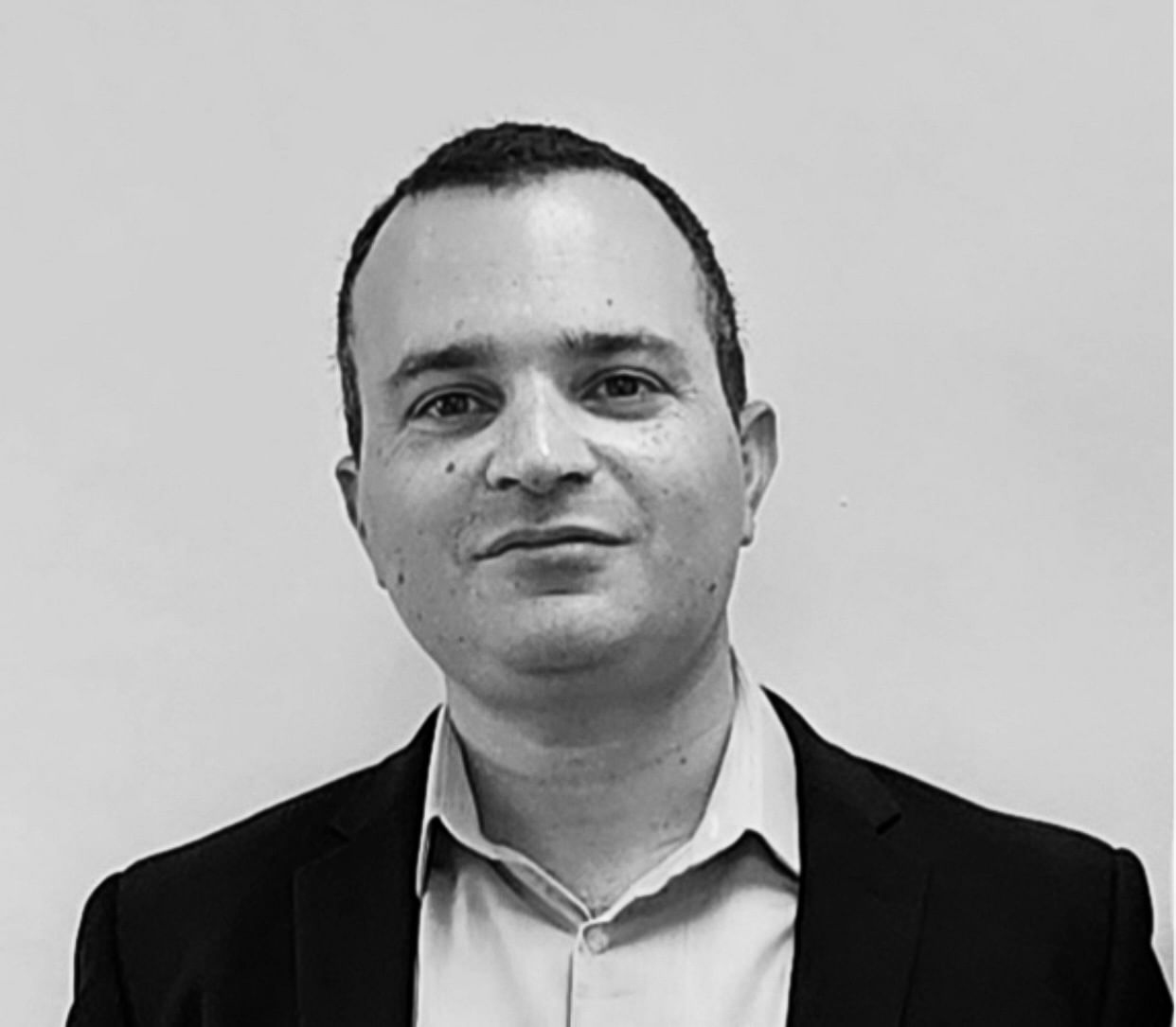
Written by Ofer Tirosh
Connect on LinkedInOfer founded Tomedes in 2007 and now leads the company's push to combine two decades of human translation expertise with AI. He writes about where the language industry is actually heading and the shifts nobody's ready for, the bets that paid off, and the ones that didn't.
Share:

Post your Comment